
Working in partnership with humans, nature, and livestock to increase biodiversity and ecosystem health on California rangeland.

Overview
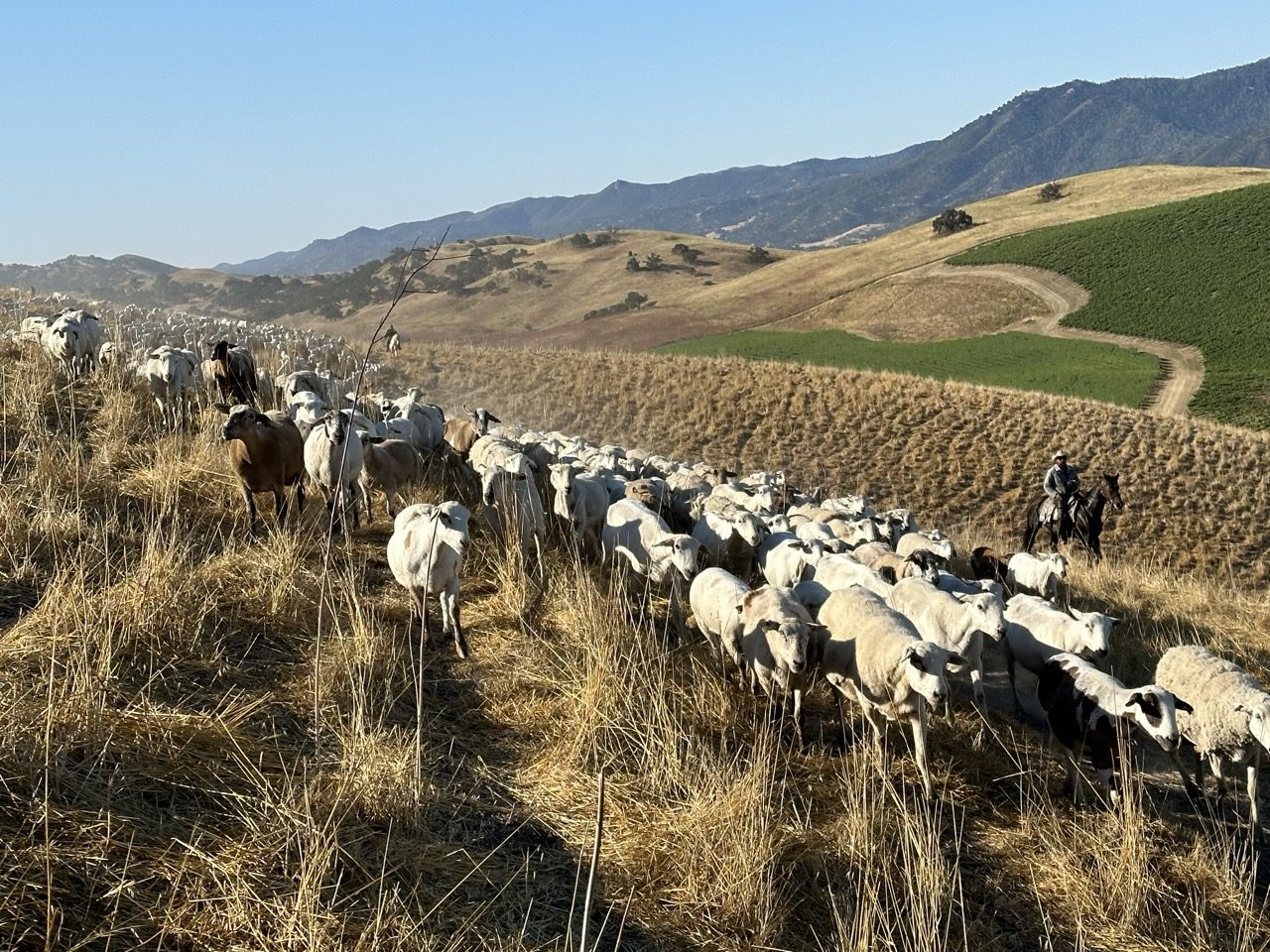
Paicines Ranch's rangeland and livestock program is a model of regenerative agriculture in action. Through careful integration of livestock and holistic land management, the program demonstrates how agricultural production can work in harmony with natural ecosystems while producing high-quality food products.
Key management approaches:
- Holistic and adaptive planned grazing systems that mimic natural herd movements.
- Planning for rest and recovery of rangeland pastures.
- Thinking perennially and acting so. Giving perennial CA native species time to recover from grazing impacts and promoting perennial plant life cycles.
- Innovative sheep grazing in polyculture vineyard
- Monitoring for soil health and rangeland biodiversity
- Organic certification and Audubon certification across all rangeland acres
Our workforce: sheep, cattle, pigs, turkeys and chickens

Holistic Planned Grazing
The ranch has utilized Holistic Management for nearly two decades. Holistic Management is a powerful decision making process that assists land managers in making ecological, social, and economical decisions that align with the context of the group involved. The ranch has an overall Holistic Context, and within the Ranch’s context, our livestock team has our own.
LIVESTOCK TEAM HOLISTIC CONTEXT:
"Working daily towards an ecologically resilient, biodiverse, low-input, and profitable land-based enterprise utilizing an empowered, valued team of inquisitive COWorkers in order to provide nutritious food to our community by stewarding the ecosystem and exchanging information with others."
Why Sheep?
-
Improved nutrient flow - Unlike cattle that bring nutrients downhill, sheep graze uphill, drawing nutrients from below back to hilltops--we are changing the nutrient flow by switching species.
-
Drought resilient - Sheep require substantially less water than cattle, and as a ranch that is generally groundwater dependent, this benefit is crucial during climate instability and prolonged droughts.
-
Thrive on native forages - Our sheep do well with minimal inputs and stay fat on our endemic rangeland plants.
-
Higher productivity - We can raise more pounds of meat from our flock than we can with a cow herd, and our hair sheep shed naturally without requiring shearing.
-
Exceptional quality & flavor - Our lamb and mutton reflects the unique terroir of this place with a clean, non-gamey taste that surprises customers: "The best lamb I've ever had!" is what we commonly hear.
Soil Health

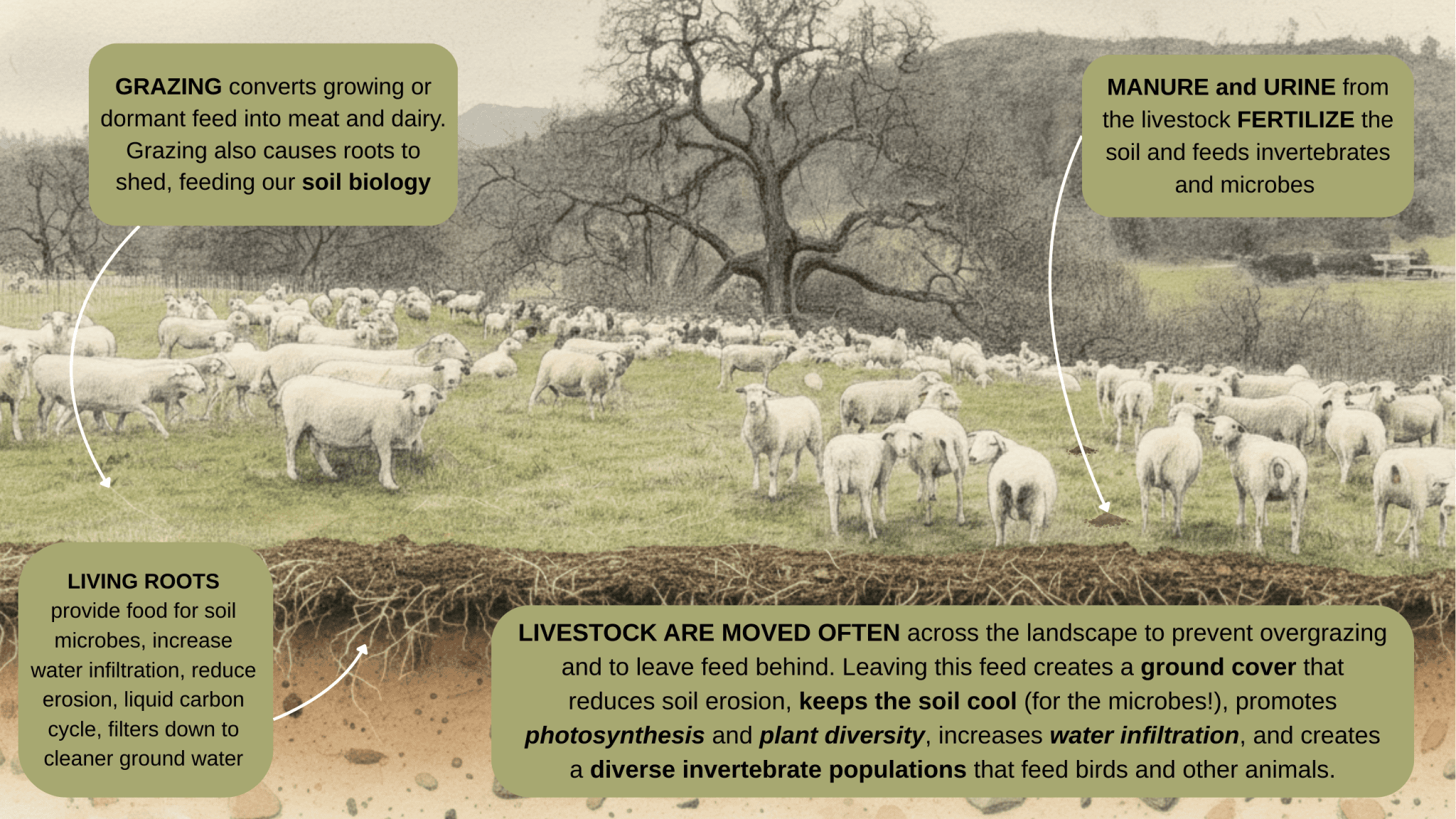
Benefits of Adaptive Grazing on California Rangeland
Pastured Meat
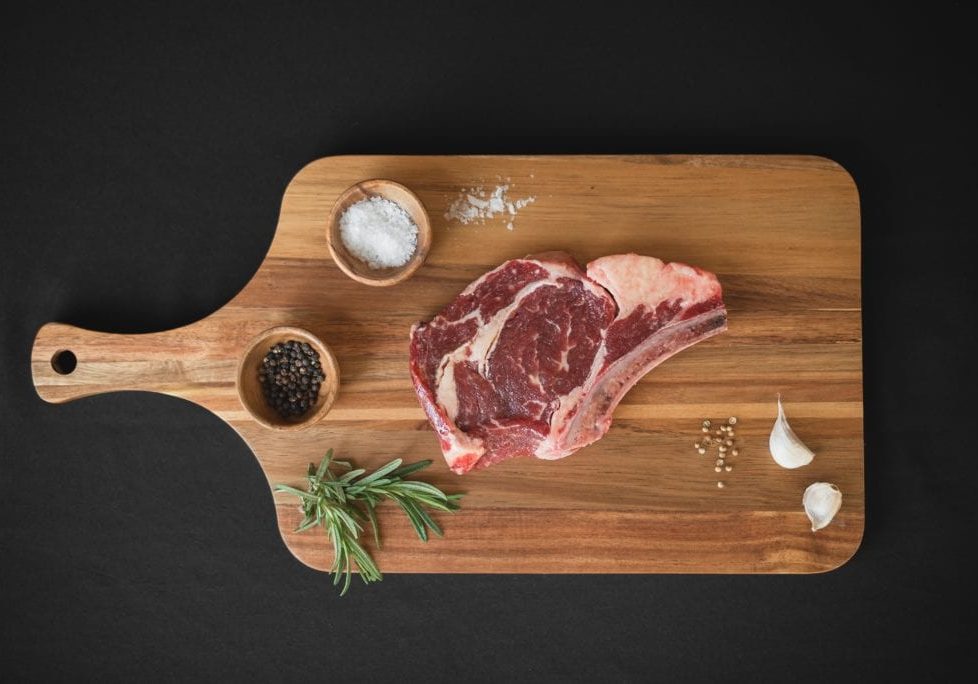
We currently produce 100% grass-fed-and-finished lamb and beef and pastured pork and turkey. We work to grow delicious, healthy, nutritious food and distribute that food locally. Better for the animals, the people, and the planet – you will taste the difference!

Audubon Certified
In 2025, the National Audubon Society recognized Paicines Ranch as earning the bird-friendly land certification through Audubon's Conservation Ranching program. This certification recognizes our commitment to managing our rangeland for the benefit of birds and biodiversity. Products grazed on bird-friendly land and sold under the Paicines Ranch brand now carry the Audubon Certified Bird-Friendly seal, a special package label that calls out the conservation achievement for consumers.
Sheep for Sale
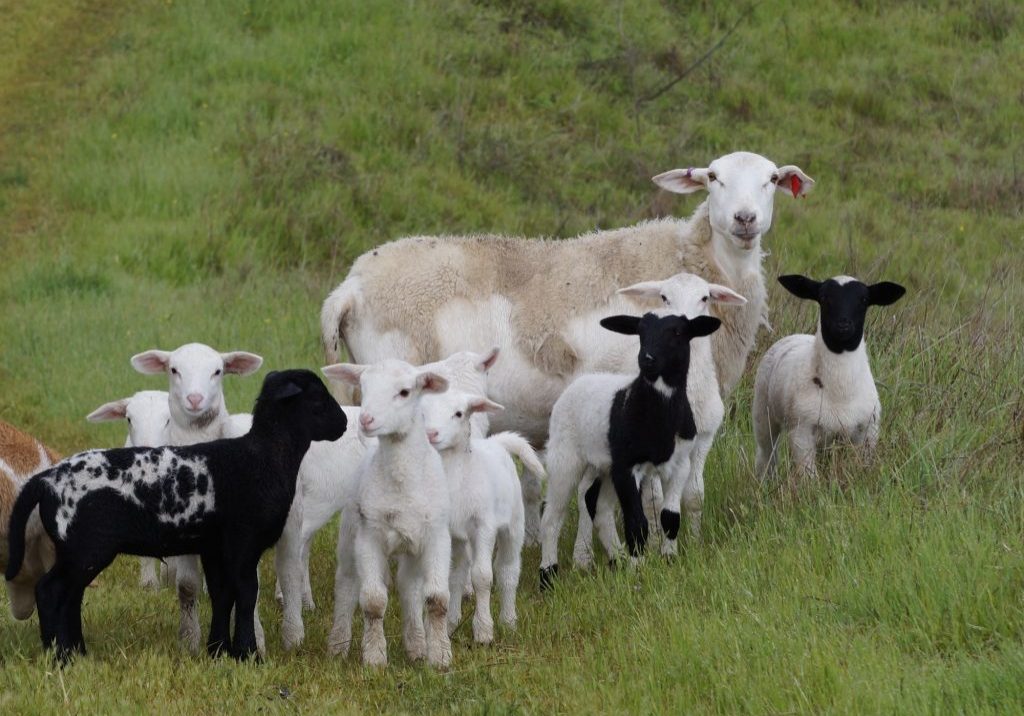
Paicines Ranch is proud to offer commercial Dorper lambs for sale.
Availability: Mutton ewes (year-round) and lambs (July-September).

Monitoring for Biodiversity
Biodiversity is the learned result of millions of years of evolution, life’s direct response to shifting environmental conditions on Earth. As climate change accelerates, biodiversity is key to our resilience. Rather than simplify our agroecosystems by excluding wildlife and spraying pesticides or herbicides, we choose to farm with nature. For this reason we are collecting data on the populations of plants, birds, insects and soil microbes that inhabit our rangeland and play a critical role as vital pieces of a complex agroecological system.
Community Partnerships
We regularly partner with our neighboring ranches for wildfire mitigation by grazing to reduce fuel loads. An example of this is the Cowboy Corridor initiative - a partnership with local ranchers and landowners, including Gabilan Cattle Company and Thousand Trails San Benito, to reestablish the old cowboy heritage of moving cattle from one rangeland to another, instead of hauling livestock in trailers. This ancient practice called “transhumance” involves moving animals seasonally from one landscape to another while growing healthy ecosystems AND healthy communities.
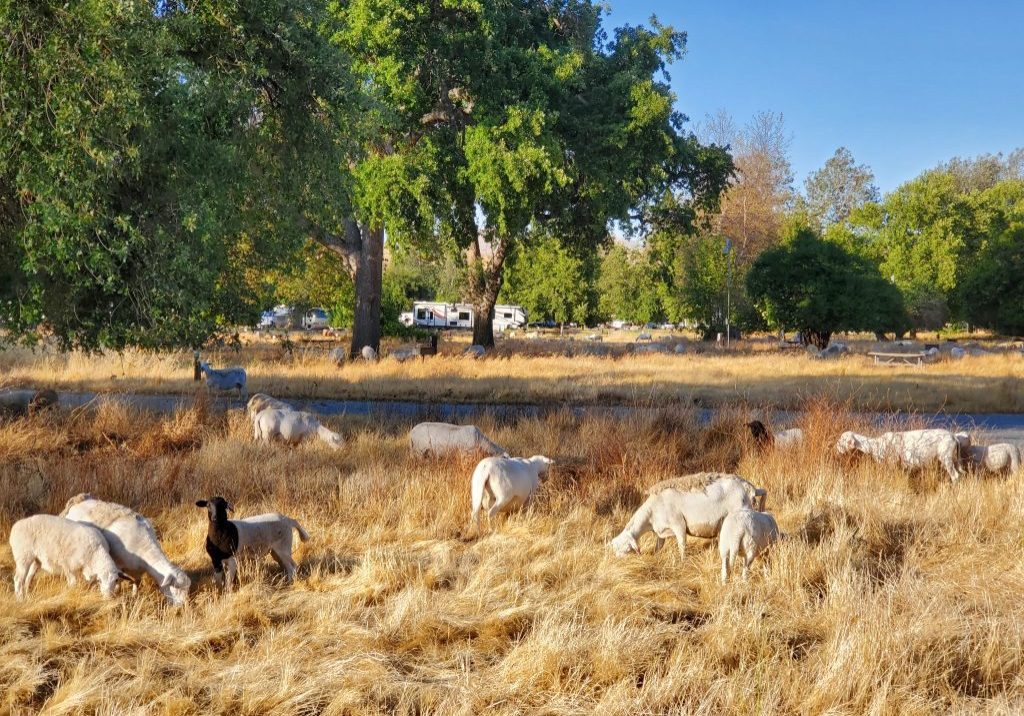
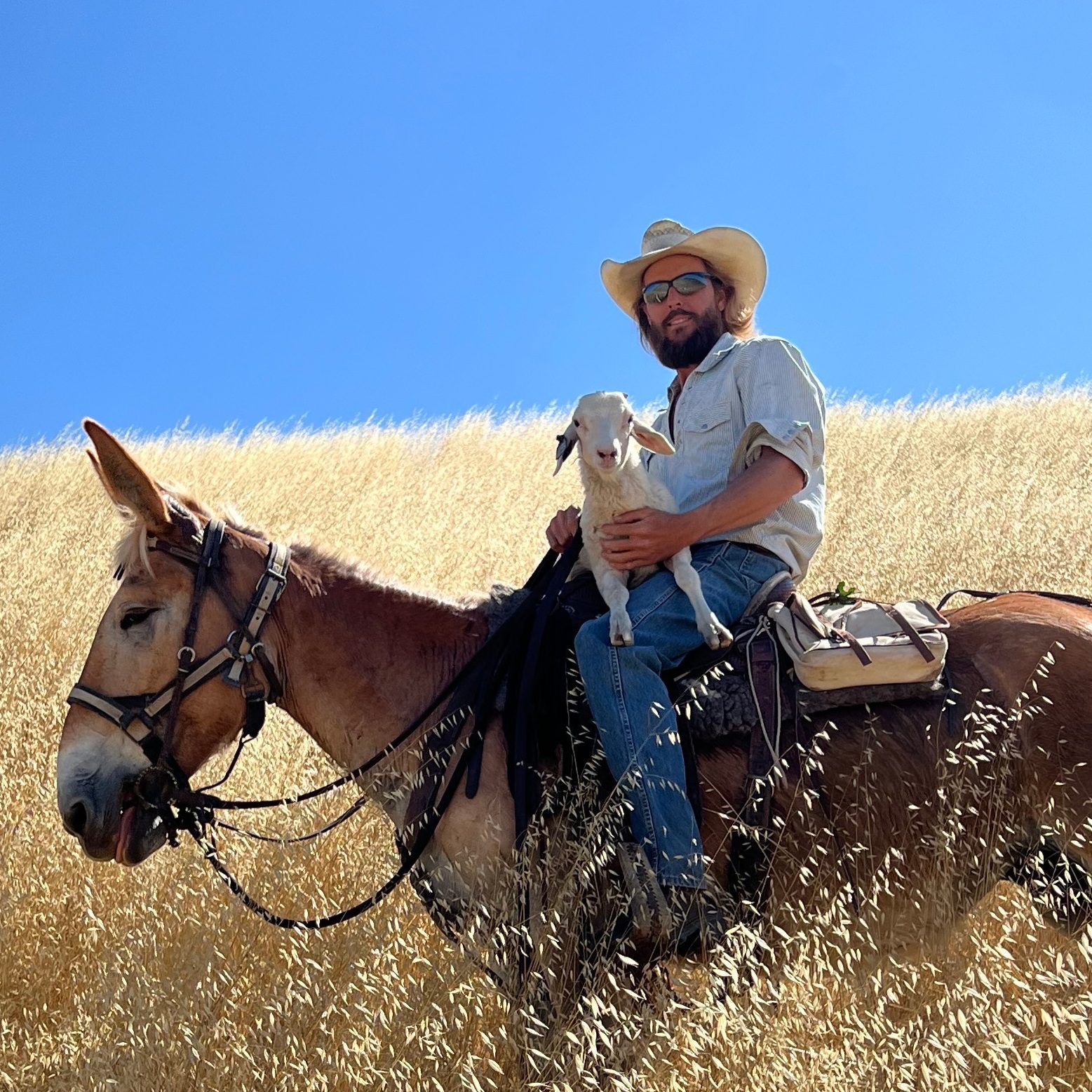
Meet the dedicated team who work in partnership with animals and nature to ensure the health of our rangeland ecosystem.


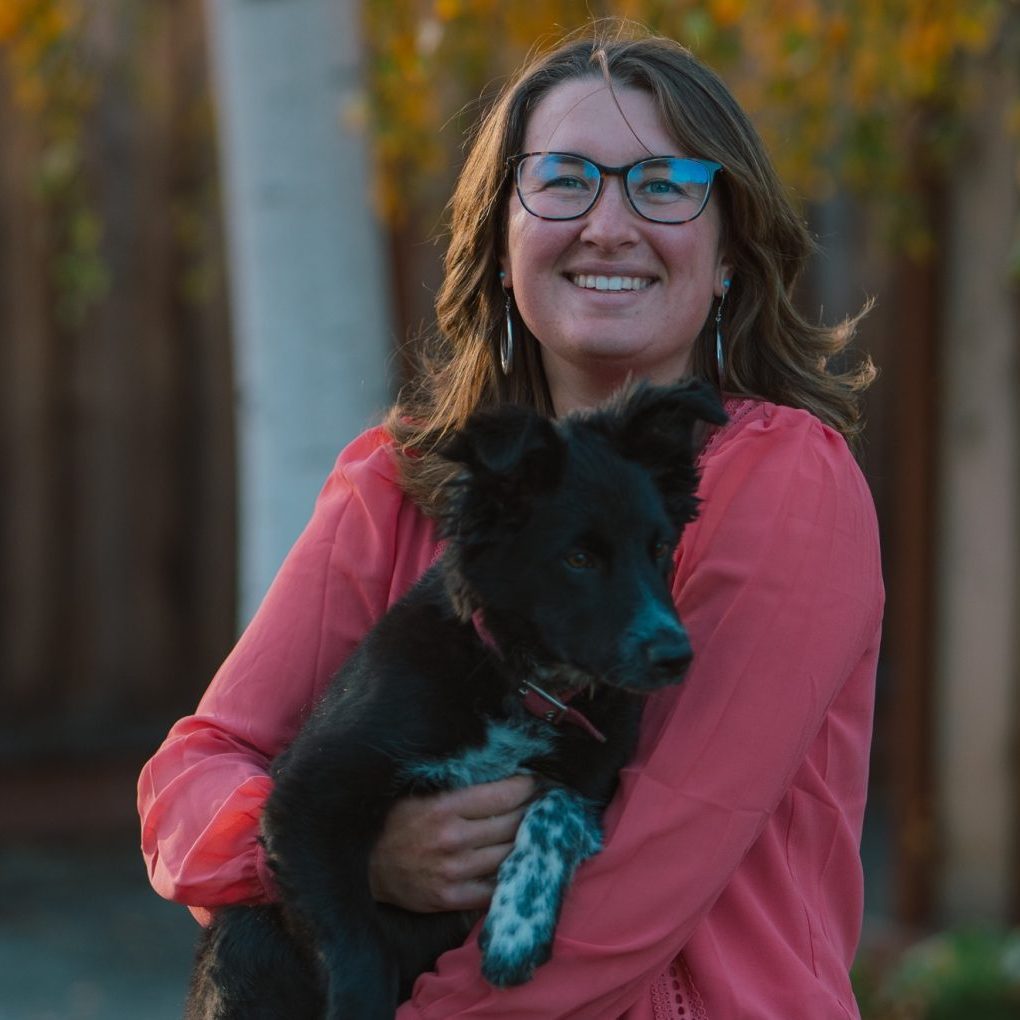

And our 4 legged support team...
Livestock Guardian Dogs
Livestock Guardian Dogs (often referred to as LGDs) play an important role in protecting our livestock against predators that live on or migrate through our rangeland, such as local coyotes, mountain lions, and stray dogs. They are core members of our flock!
